AAKAR
Reimagining waste into value through craft
What if waste wasn't the end of a product,
but the beginning of a new one?
Role
Product Designer and Researcher
Timeline
~1 month
Scope
Service Design, Illustration
Status
Concept
Overview
AAKAR is a service-design-led concept that transforms broken blue pottery into jewellery and creative kits, creating new value for artisans while helping preserve the cultural identity of the craft.
The project explores how design can work with traditional systems without flattening them into something generic or commercially hollow.
Context
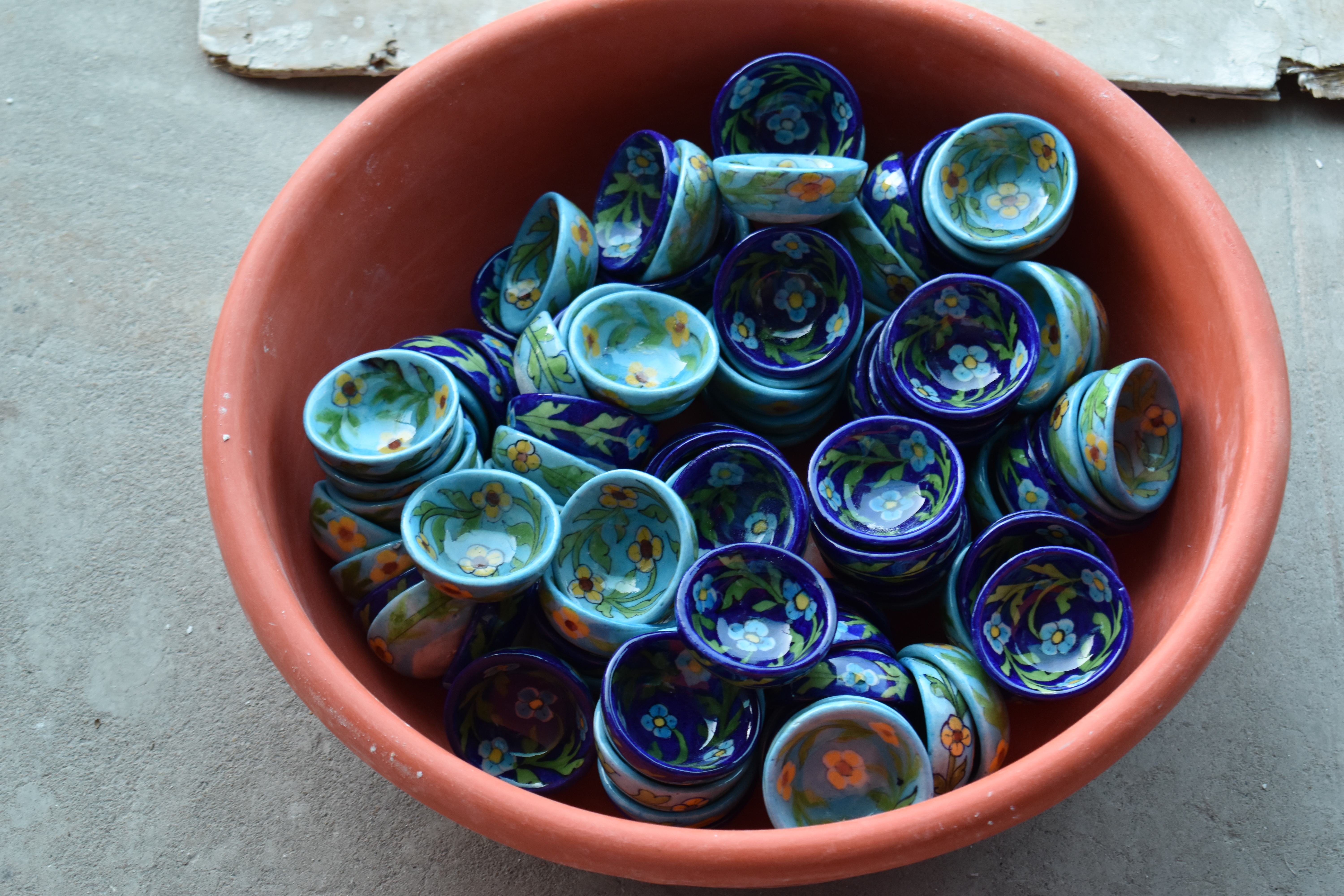
Jaipur’s blue pottery is a distinctive traditional craft known for its vibrant blue tones and unusual material composition.
Unlike conventional pottery, it does not use clay. It is delicate, labor-intensive, and deeply rooted in cultural heritage.
Artisans today face multiple challenges:
- Declining demand
- Limited reach
- Slow production cycles
- Shortage of skilled artisans
- High material wastage
These issues threaten both the livelihood of artisans and the survival of the craft itself.
Opportunity
During research, one issue stood out more than the rest: a significant amount of blue pottery is lost due to breakage.
Broken pieces are often:
- Discarded
- Seen as unusable
- Treated as loss
But they still carry:
- Craftsmanship
- Material value
- Cultural identity
That created a different design question.
What if waste could become a new entry point into the craft instead of a dead end?
My role
A one-month service design concept. I took it from field visits in Jaipur to a finished jewellery kit.
What I owned
- Survey artisans and business owners, and visit two pottery centres
- Frame the problem and choose the service direction
- Design the kit, its contents and its packaging
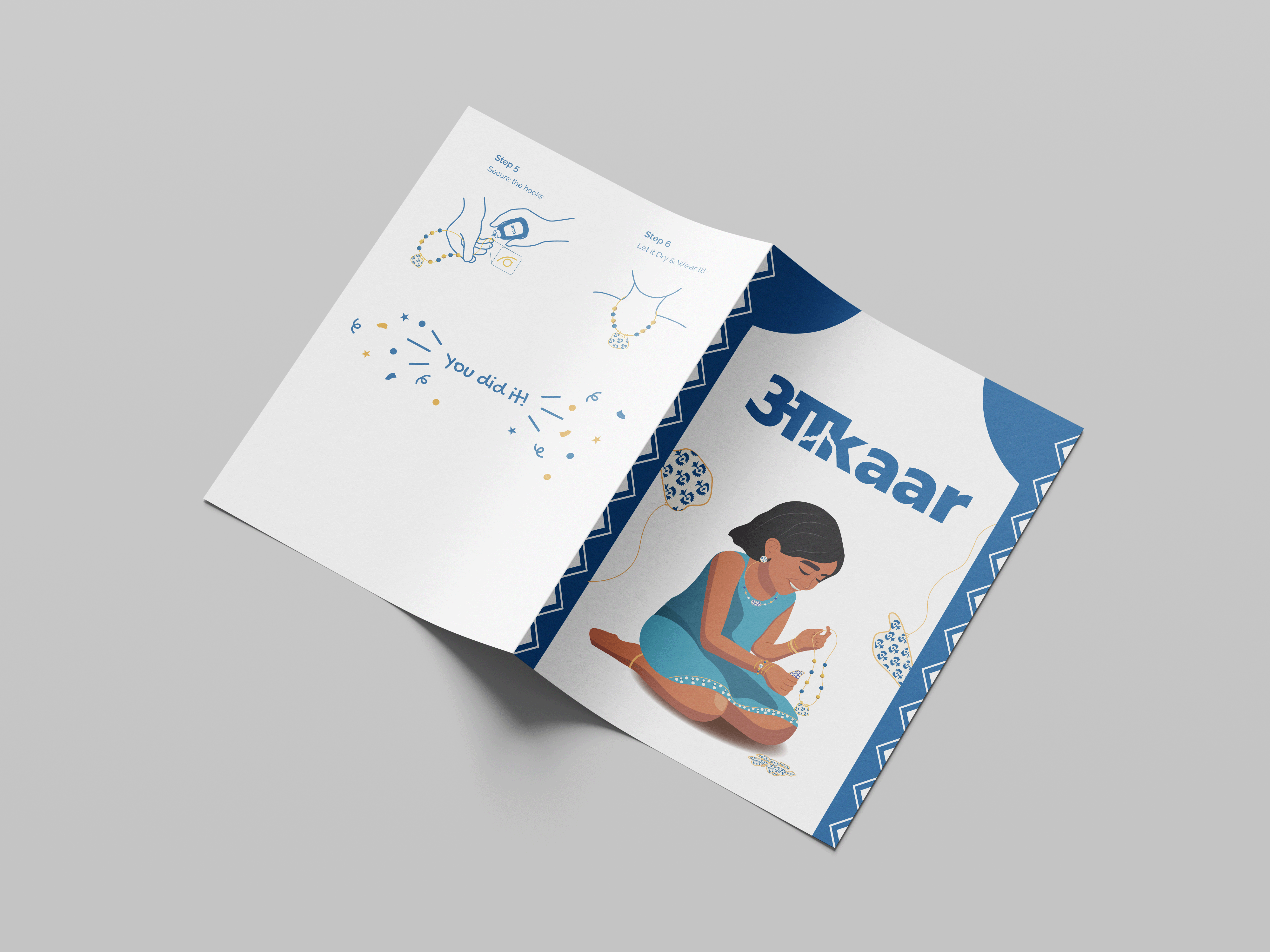
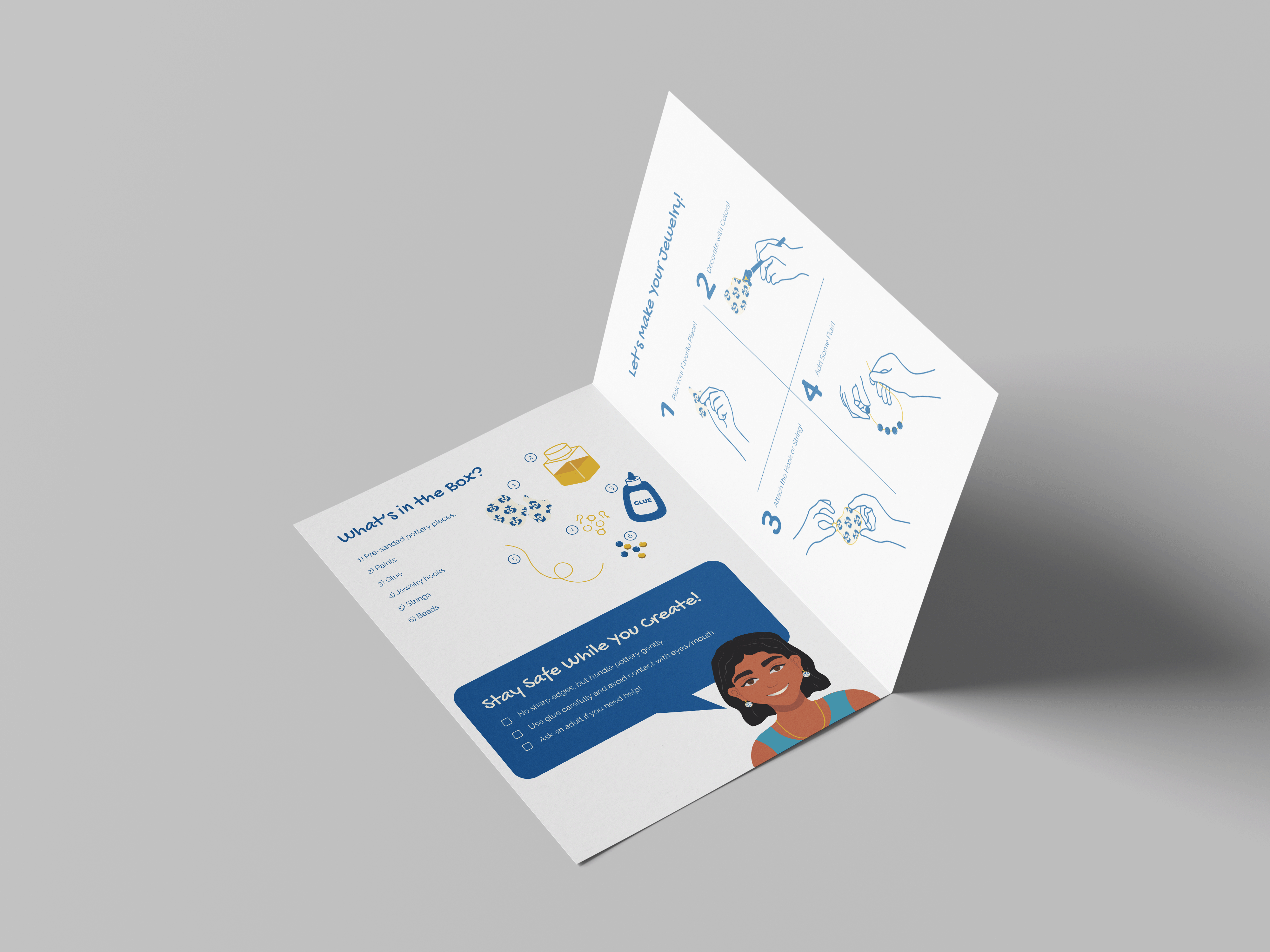
- Illustrate the step-by-step instruction manual
Goal
The system needed to:
- Reduce material wastage
- Create additional revenue streams for artisans
- Increase awareness of blue pottery
- Preserve cultural value through new forms
Why This Matters
This project reflects an interest in:
- Sustainability through design
- Supporting local craftsmanship
- Creating systems that balance culture and commerce
Research
Approach
- Surveys with artisans and business owners
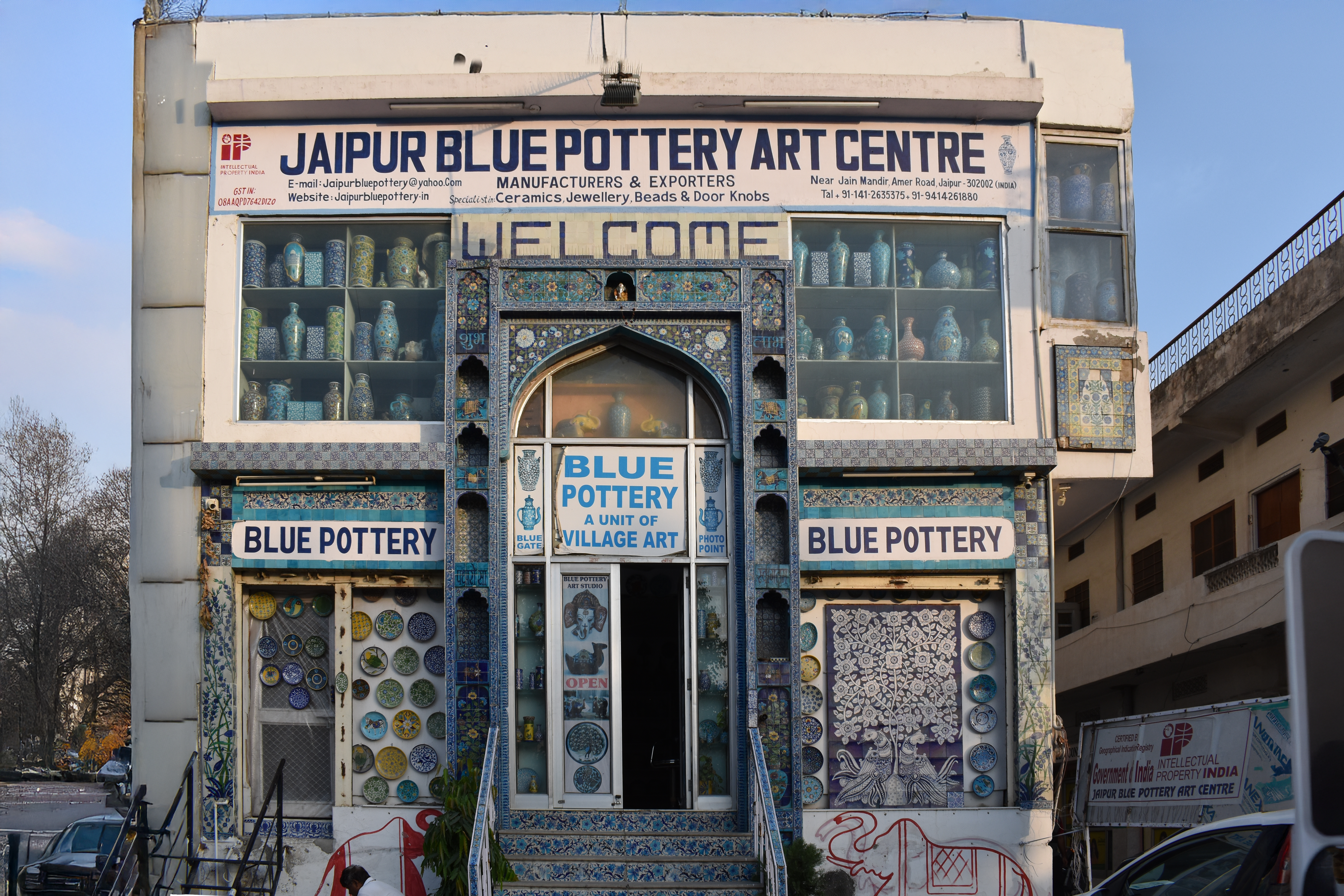
- Field visits to pottery centers
- Observational research
Fieldwork included:
- Shivkripa Pottery
- Jaipur Blue Pottery Art Centre
Key Findings
- Low awareness and demand for the craft
- High wastage due to breakage
- Limited product diversification
- Restricted market reach
The problem is not just production. It is value perception.
Problem Statement
How Might We Repurpose Waste from Jaipur's Blue Pottery While Supporting Artisans and Preserving the Cultural Heritage of the Craft?
Insights
- Waste is not only material loss, but economic loss
- Awareness directly impacts demand
- Craft needs reinterpretation to stay relevant
Solution Direction
Exploration moved across material recycling, digital awareness platforms, and product diversification. The most promising direction was the one that created value for both artisans and consumers at the same time.
The solution should create value at both ends: for artisans and for consumers.
The Solution
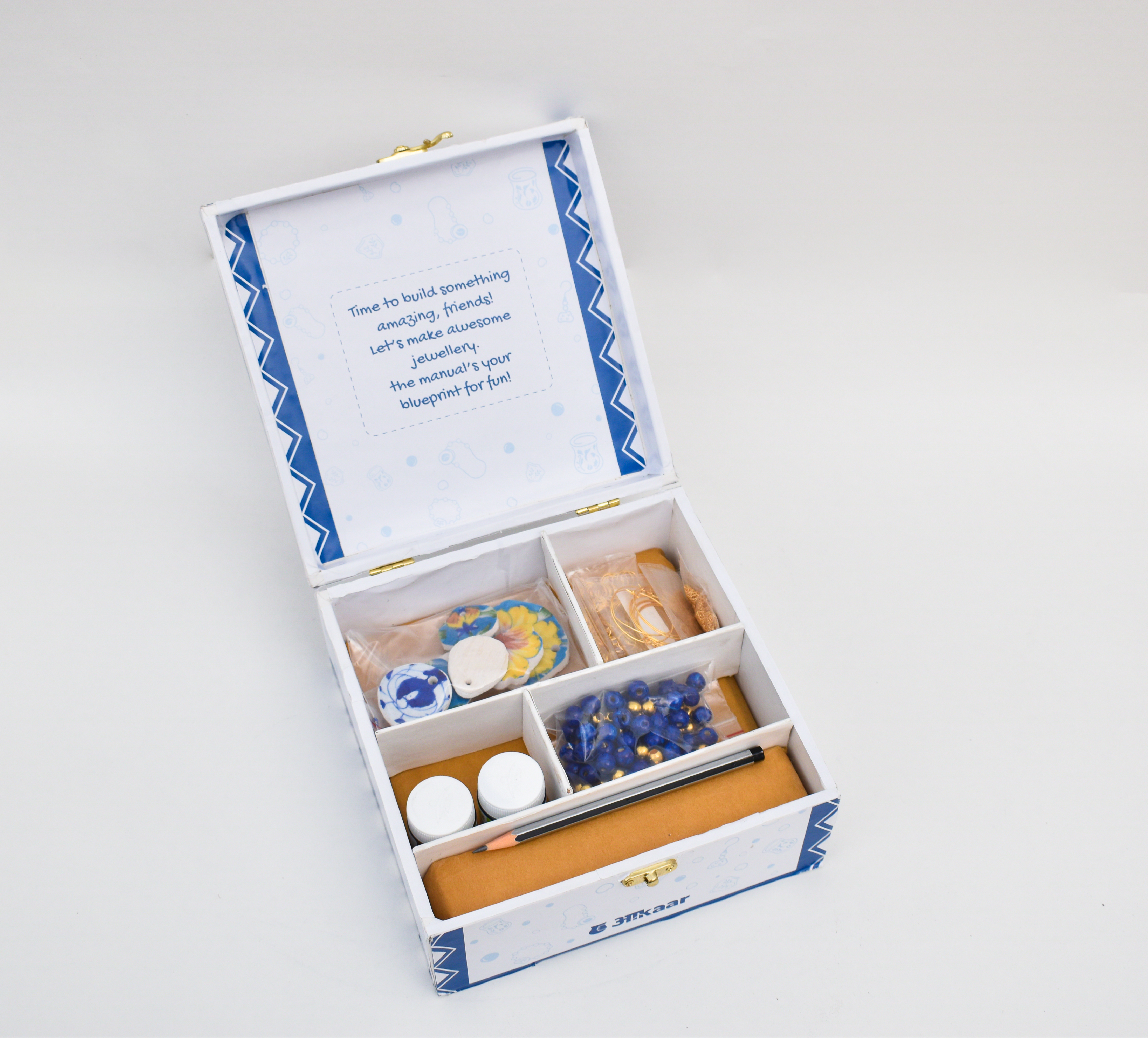
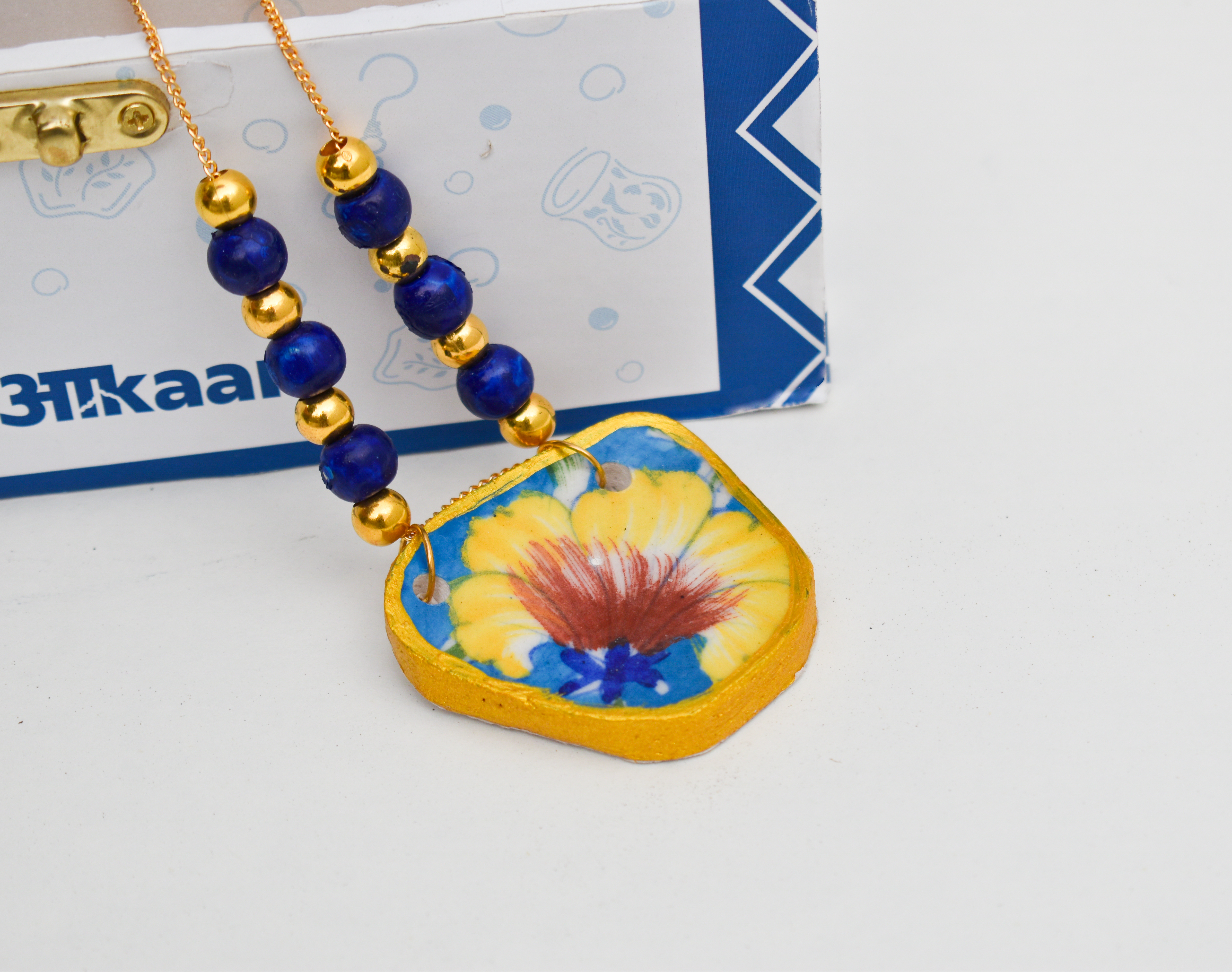
AAKAR transforms broken blue pottery into jewellery and interactive creative products. It reduces waste while opening up new economic opportunities for artisans.
At the center of the idea is a narrative shift:
- Each piece is unique
- Each object carries a story
- Each purchase supports artisans
Consumers are increasingly drawn to products that feel both sustainable and culturally rooted, which made reuse an emotional as well as a functional proposition.
Gallery
Key Design Decisions
Repurpose Instead of Recycle
Broken pottery pieces became the primary material because that approach retains craftsmanship, reduces additional processing, and preserves authenticity.
Create a Product, Not Just a Process
A tangible product system made the concept easier to engage with, easier to buy into, and more capable of creating direct revenue opportunities.
Focus on Accessibility
The experience was designed for a broader age range, including younger users, so participation and awareness could expand beyond a niche craft audience.
Embed Story Into Product
Narrative became part of the product itself. Meaning increases perceived value and helps distinguish the work from mass-produced alternatives.
Build
Step 1: Reframe Waste
Broken pottery is repositioned as raw material rather than leftover damage.
Step 2: Create a Kit-Based System
A DIY jewellery kit allows users to engage directly with the material and understand its value through making.
Step 3: Enable Participation
Users become part of the creation process, which increases emotional connection and cultural curiosity.
Step 4: Build Awareness Through Interaction
The product itself becomes a storytelling medium rather than just a finished object.
About the Kit
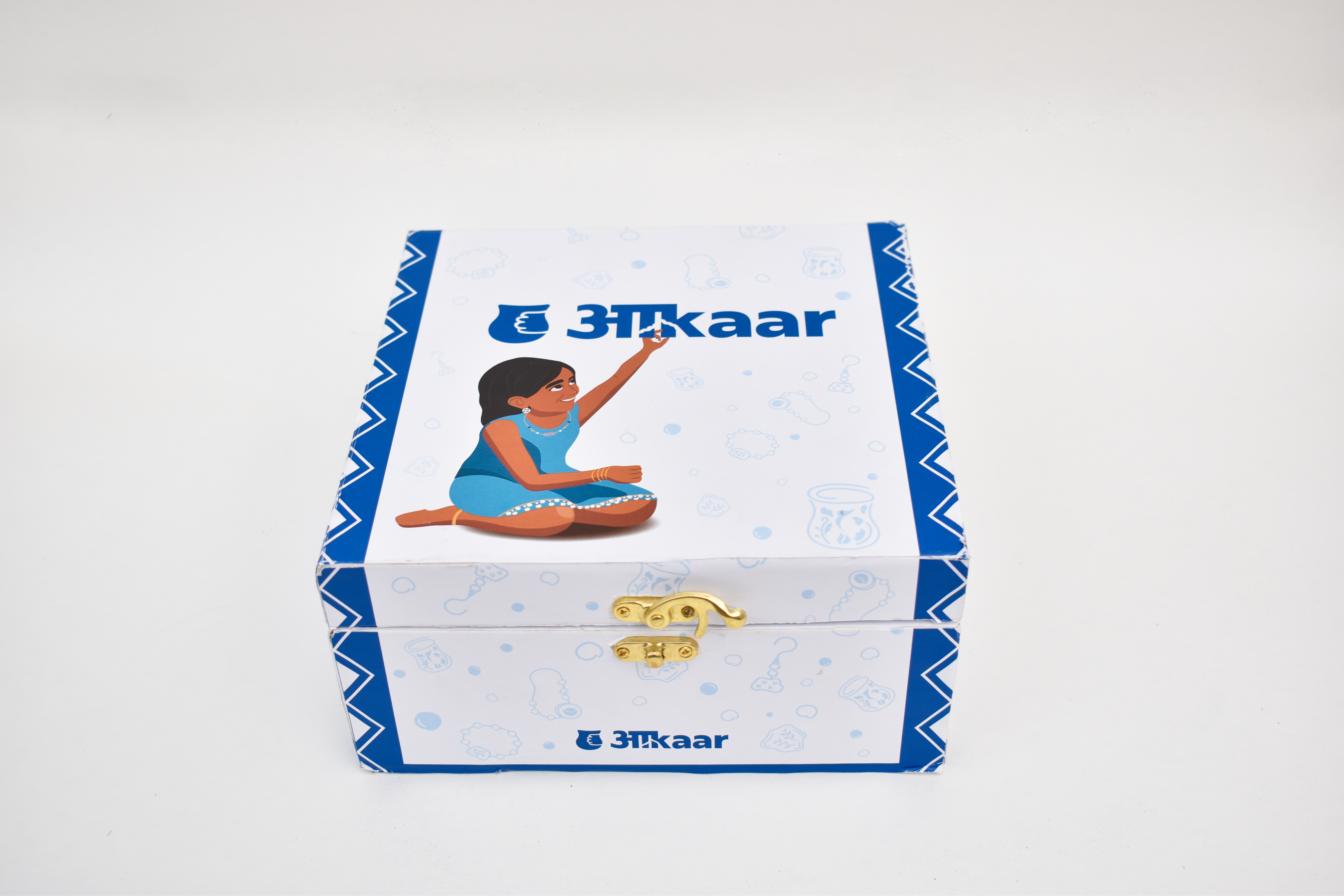
Inspired by Kintsugi, the Japanese art of repairing broken pottery, the kit celebrates imperfections and gives damaged material a second life.
What’s Inside
- Pre-sanded blue pottery pieces
- Beads and strings
- Jewellery hooks and rings
- Child-safe glue
- Paints and brushes
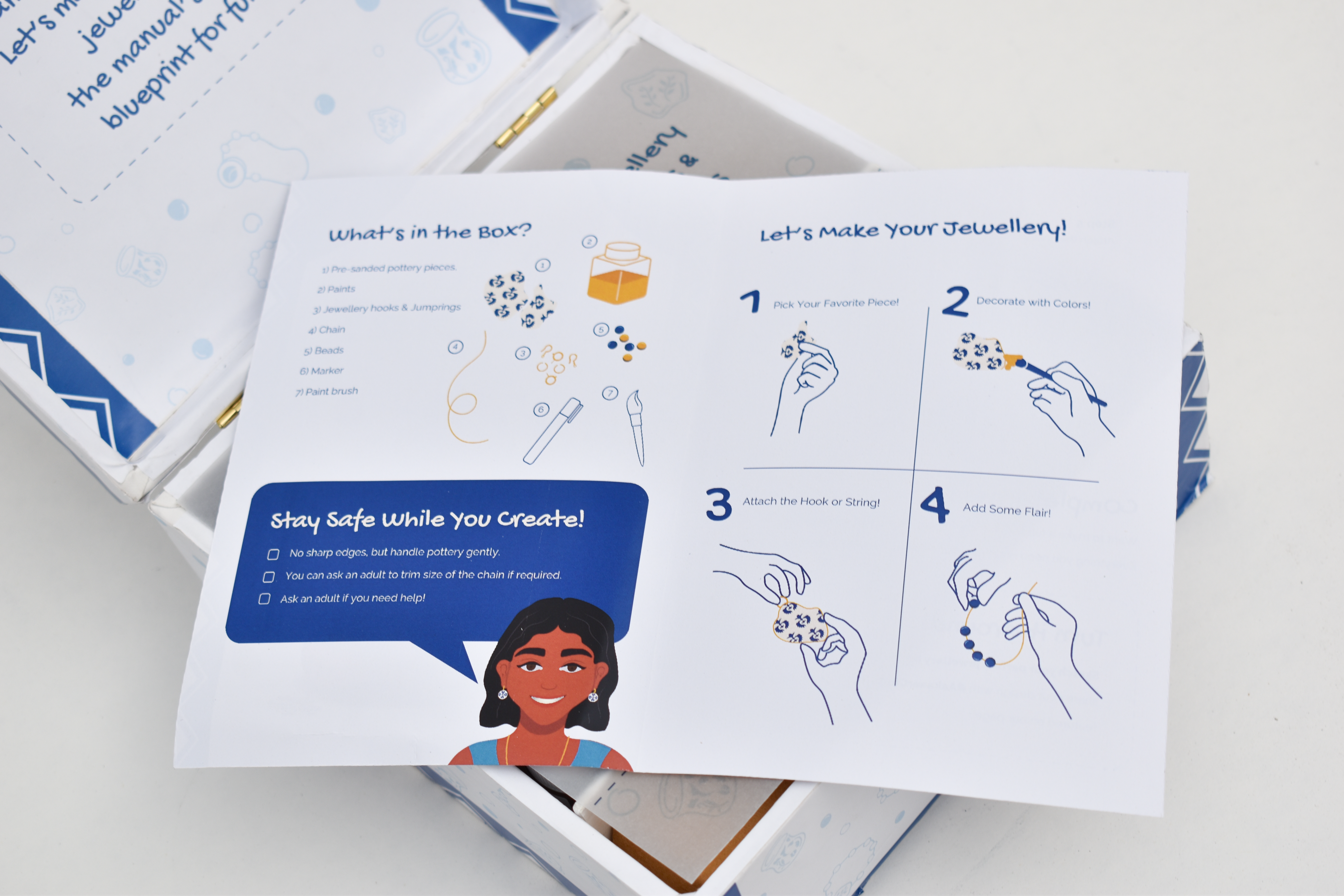
- A step-by-step instruction manual
Instruction Manual
How It Solves the Problem
- Reduces material wastage
- Creates new revenue streams
- Transforms loss into opportunity
- Increases engagement with the craft
Outcome
Experience
The experience shifts users from passive consumption to active participation.
Users:
- Interact with real craft materials
- Create their own products
- Understand the value of the craft more directly
Impact
Artisan-Level Impact
- Reduced financial loss from breakage
- Additional income streams
- Increased visibility
User-Level Impact
- Deeper connection to craft
- Greater awareness of sustainability
- Hands-on engagement
System-Level Impact
- Extends the lifecycle of materials
- Repositions waste as value
- Supports cultural preservation
Future Direction
- Expand product variations
- Integrate digital storytelling
- Build community-driven engagement
- Scale distribution channels
Reflection
This project highlighted that sustainability is not just about materials, but about systems.
Designing AAKAR was about finding value in what is overlooked and creating opportunity without erasing tradition.